
Introduction
Writing a book is a huge achievement. But before you share it with the world, you need one more important step: finding an editor. If you want your book to succeed, you must learn how to find an editor for your book. Writing a story is only half the job. Editing shapes that story into something readers trust and enjoy. Knowing how to find an editor for your book can make all the difference. An editor helps sharpen your story, fix mistakes, and make your book shine. A good editor does not change your voice. They help your voice shine.
If you’re wondering where to start or how to choose the right professional, don’t worry. Many writers feel lost at this step. They ask simple questions. Where do I find an editor? How much does it cost? How do I know if an editor is good? This guide answers all of that in clear and honest terms. By the end, you will know how to find an editor, how to hire one, and how to work with them the right way. This guide breaks down everything you need to know about finding an editor and how to hire the best one for your project.
How to Find an Editor for Your Book: Start With the Right Mindset
Before you begin your search, it’s important to have the right mindset. An editor is not your enemy; they are your teammate. Their goal is not to change your voice, but to help your book reach its full potential. Many writers feel nervous about edits, and that is completely normal. Still, every strong book goes through the editing process, and even famous authors rely on editors. That fact alone shows how essential editing is.
When you start finding an editor for your book, look for someone who respects your voice and understands your story. Choose an editor who cares about readers and communicates their suggestions clearly. Editing is not about ego or criticism; it is about refining your book writing and making your work the best it can be.
What Does a Book Editor Really Do?
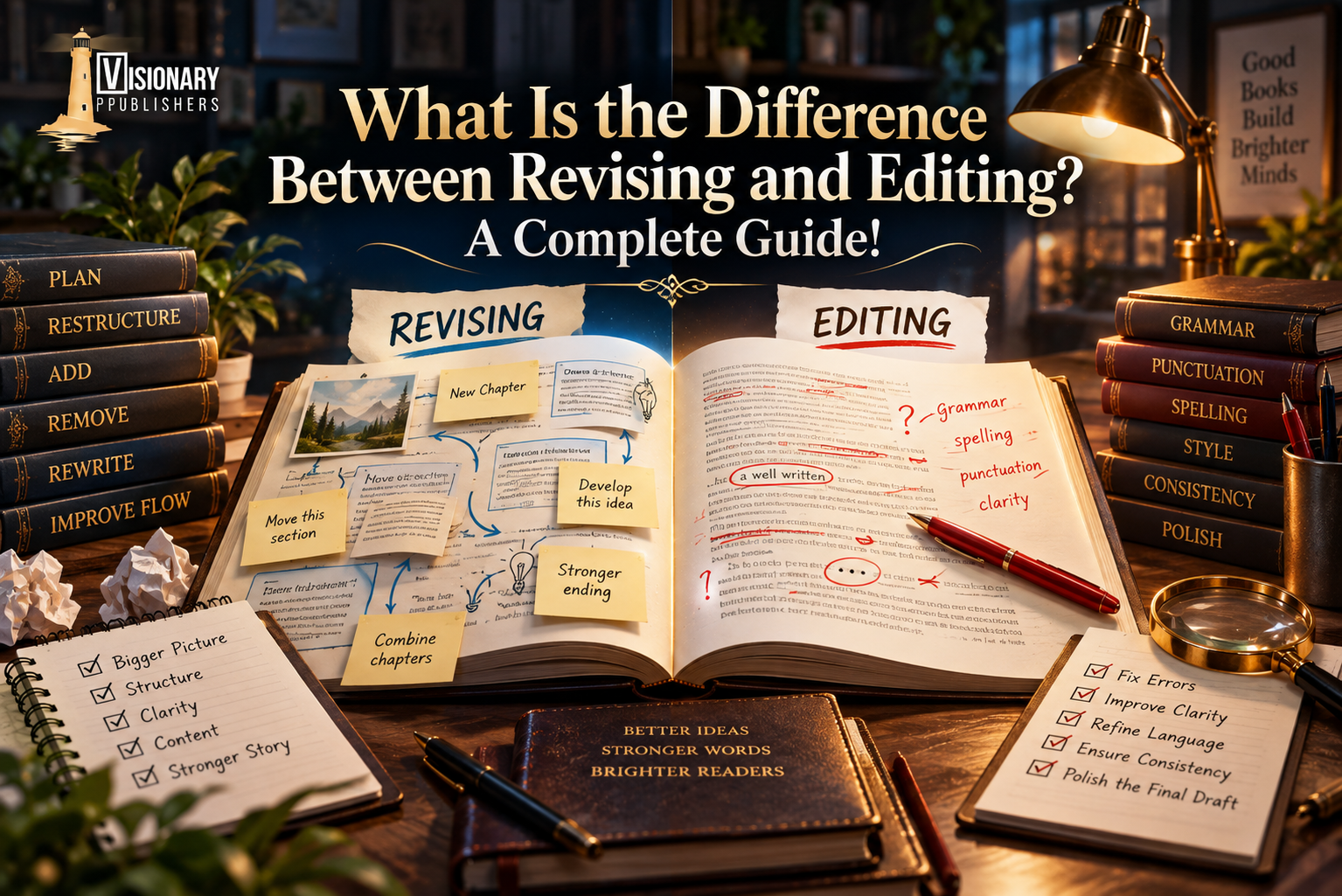
A book editor does far more than just fix spelling mistakes. Editors work at different levels, and each type of editing serves a unique purpose in shaping your book. Understanding these levels helps you decide what kind of help your manuscript really needs.
-
Developmental Editing
This is the deepest level of editing. A developmental editor looks at the overall story, structure, and pacing. They examine whether your plot makes sense, whether characters are believable, and if the story flows smoothly from beginning to end. This type of editing is ideal for messy drafts or first manuscripts that need major shaping before polishing.
-
Line Editing
Line editors focus on your book writing style and clarity. They refine sentences, improve tone, and ensure your voice is consistent throughout the book. Line editing makes your prose more readable and enjoyable without changing the story itself. It’s perfect for drafts that are structurally sound but need smoother expression.
-
Copyediting
Copyeditors correct grammar, spelling, punctuation, and word usage. They also check for consistency in things like character names, dates, or locations. Copyediting ensures your book is professional and error-free while keeping your style intact.
-
Proofreading
Proofreading is the final polish before publishing. Proofreaders catch small errors like typos, missing words, or formatting issues that might have been missed during earlier editing stages. This step is crucial for print-ready manuscripts and eBooks.
Some editors offer all these services, while others specialize in one area. When hiring a book editor, it’s important to identify what your manuscript needs most. A rough, early draft usually benefits from developmental editing, whereas a well-written draft may only need line editing, copyediting, and proofreading. In short, editing is a layered process. Each step strengthens your book in a different way, making your draft into a polished, professional work ready to impress readers.
How to Find an Editor: The Best Places to Look
Many writers wonder where to start when looking for an editor. The good news is that there are plenty of options. You just need to know where to look and what to ask. Here are some of the smartest places to find an editor:
-
Author Communities
Writing groups and forums are gold mines for recommendations. Join communities like the Alliance of Independent Authors (ALLi), Scribophile, or Critique Circle and ask other authors who they use. Real feedback from writers like Joanna Penn or Mark Dawson can help you find editors who are trusted in the industry.
-
Freelance Platforms
Websites like Reedsy, Upwork, or Fiverr host many professional book editors. On Reedsy, for example, you can find editors like Carolyn Howard-Johnson or Jenni L. Baker, who specialize in developmental editing, copyediting, and proofreading. You can read reviews, see samples, and compare pricing before making a decision.
-
Publisher Websites
Many book publishing companies, including Visionary Publishers, offer editing services with trained teams. Working with a publisher’s editor, such as Jane Friedman’s recommended editors, ensures professional experience and knowledge of industry standards. This also makes transitioning to publishing easier.
-
Social Media
Editors often share tips and samples on LinkedIn, X (Twitter), or Facebook groups. For instance, editors like Beth Hill or Stacy Ennis share advice and engage with authors online. Following their profiles lets you evaluate their style and reach out directly.
-
Book Acknowledgments
A simple but effective method is checking the acknowledgments of books you admire. Authors often thank their editors by name. For example, in her book Big Magic, Elizabeth Gilbert thanks her editor Joanna Volpe, and in The Night Circus, Erin Morgenstern credits Jeremy Lyford. If a book’s editing impressed you, note the editor’s name and reach out.
Finding an editor doesn’t have to be stressful. By using these sources, you can discover skilled professionals, compare options, and make a choice that fits your book and budget. With patience and research, finding an editor for your book becomes much simpler.
How to Find a Book Editor Who Fits Your Genre
Not every editor fits every book. A romance editor may not suit a business guide. A fantasy editor may not enjoy memoir.
When you find a book editor, check these points:
- Do they edit your genre?
- Do they show past work?
- Do they understand your readers?
- Do they explain their process clearly?
Ask for a sample edit if possible. Many editors offer this. A small test shows a lot.
Good fit matters more than big names.
How to Get an Editor for Your Book: Step-by-Step
Finding the right editor for your book can feel overwhelming, but following a clear process makes it much easier. Here’s a step-by-step approach that works for most authors:
Step 1: Finish Your Draft
Before hiring an editor, complete your manuscript. Editors work best on full drafts. If you hire someone mid-way, it can cost more and create confusion. A finished draft gives your editor the full story, helping them provide better feedback.
Step 2: Self-Edit Once
Go through your manuscript and fix obvious mistakes. Correct spelling errors, punctuation issues, and awkward sentences. This is not a full edit, just a cleanup. Doing this first saves money and allows your editor to focus on deeper issues.
Step 3: Decide Your Editing Level
Not every book needs the same type of editing. Decide if your manuscript needs:
- Developmental editing for story and structure
- Line editing for style and flow
- Copyediting for grammar and consistency
- Proofreading for the final polish
Understanding your needs helps you find an editor with the right skills.
Step 4: Make a Shortlist
Narrow your search to three to five editors. Look at their experience, past projects, and reviews. Check samples of their work whenever possible. This helps you compare styles, pricing, and professionalism.
Step 5: Ask Questions
Before hiring, ask clear questions about:
- Price and payment structure
- Expected timeline for completion
- How many revisions are included
- Their editing approach and style
Good communication builds trust and ensures your expectations match the editor’s process.
Step 6: Start with a Test Edit
If possible, request a short sample edit, usually a few chapters. This allows you to see how the editor works with your book writing and whether their suggestions feel right. A test edit is a low-risk way to avoid making a bad choice.
Following this process makes it clear and straightforward how to get an editor for your book. It reduces stress, saves time, and helps you find a professional who can take your manuscript from good to great.
How to Hire a Book Editor Without Stress
Many writers feel nervous about contracts and payments. That is normal. Still, how to hire an editor does not need to feel hard.
Here are smart tips:
- Get everything in writing.
- Agree on price and deadline first.
- Ask what the service includes.
- Ask how many revision rounds you get.
- Keep your files backed up.
When hiring an editor, clear rules protect both sides. They also prevent bad surprises.
Trust grows when expectations stay clear.
Hiring a Book Editor: What It Should Cost
Money is a big concern for most writers. The truth is simple. Prices vary a lot.
Costs depend on:
- The type of editing
- The length of your book
- The editor’s experience
- The deadline you want
Some editors charge per word. Some charge per hour. Some charge per project.
Basic proofreading costs less than deep editing. That makes sense. More work costs more money.
At Visionary Publishers, we focus on fair prices and clear packages. Our goal is quality without stress.
Finding an Editor for a Book: Red Flags to Avoid
Not every editor is a good choice. Watch for these warning signs:
- They promise to make your book a bestseller.
- They refuse to show samples.
- They avoid clear pricing.
- They rush you into a deal.
- They ignore your genre or goals.
A good editor stays honest. They never sell dreams. They sell skills. When finding an editor for a book, trust your gut. If something feels off, walk away.
How to Find a Book Editor and Publisher at the Same Time
Some writers want a full service. They want editing and publishing in one place. That is a smart move for many authors.
When you look for how to find a book editor and publisher, check these points:
- Do they offer real editing, not just formatting?
- Do they show past projects?
- Do they explain each step?
- Do they respect your rights?
At Visionary Publishers, we offer both editing and publishing support. Our team works with authors at every stage. That saves time and avoids confusion.
One team. One clear process. Better results.
Working With Your Editor: How to Get the Best Results
Hiring is only the start. The real work begins after that.
Here is how to build a strong working bond:
- Stay open to feedback.
- Ask questions when you feel unsure.
- Defend your vision, but listen first.
- Reply on time.
- Keep emotions out of edits.
Editing is a team effort. The goal is a better book, not winning an argument.
Strong teamwork makes hiring a book editor worth every cent.
Can You Skip an Editor?
Some writers ask this. The honest answer is yes, but it is risky. You can publish without an editor. Many people do. Most regret it later. Readers notice errors. They notice weak flow. They notice poor structure. Bad reviews follow fast.
If you care about your book, you should care about editing. Even a light edit helps more than none.
Why Visionary Publishers Is a Smart Choice
At Visionary Publishers, we work with authors every day, so we understand the fears and doubts that come with hiring an editor. We also know what truly works to make a manuscript shine. Our team of editors works across many genres, offering clear and honest feedback while always respecting your voice and vision. We provide fair and simple pricing, and we focus on your long-term success, not just a quick turnaround. We do not rush books; instead, we carefully shape each manuscript to bring out the strongest story possible. If you want a stress-free experience when hiring an editor, our skilled team is ready to help you every step of the way.
Hire An Editor Now!
Learning how to find an editor for your book is one of the smartest steps you can take as an author. A good editor protects your story. They also protect your readers from weak or messy writing. Take your time. Ask questions. Choose someone who understands your goals. If you want a trusted partner, Visionary Publishers is here to help you at every step. With the right support, your book can become the best version of itself.
Frequently Asked Questions
How much does it cost to have a book editor?
The cost depends on the type of editing and book length. Proofreading costs less than deep editing. Prices can range from a few hundred to several thousand dollars.
How to find a good editor for your book?
Start by checking their experience and genre focus. Ask for samples. Read reviews. Talk to them before you decide. A good fit matters more than a famous name.
What is the 321 rule of editing?
The 3-2-1 rule means three drafts, two editors, and one final proof. It helps reduce errors and improve quality before publishing.
Can I self-publish without an editor?
Yes, you can. But it is risky. Most readers notice mistakes. A book without editing often gets poor reviews and low trust.
How much does it cost to pay an editor for a book?
It depends on word count, service type, and editor skill. Some charge per word. Some charge per project. Always ask for a clear quote first.