Overview
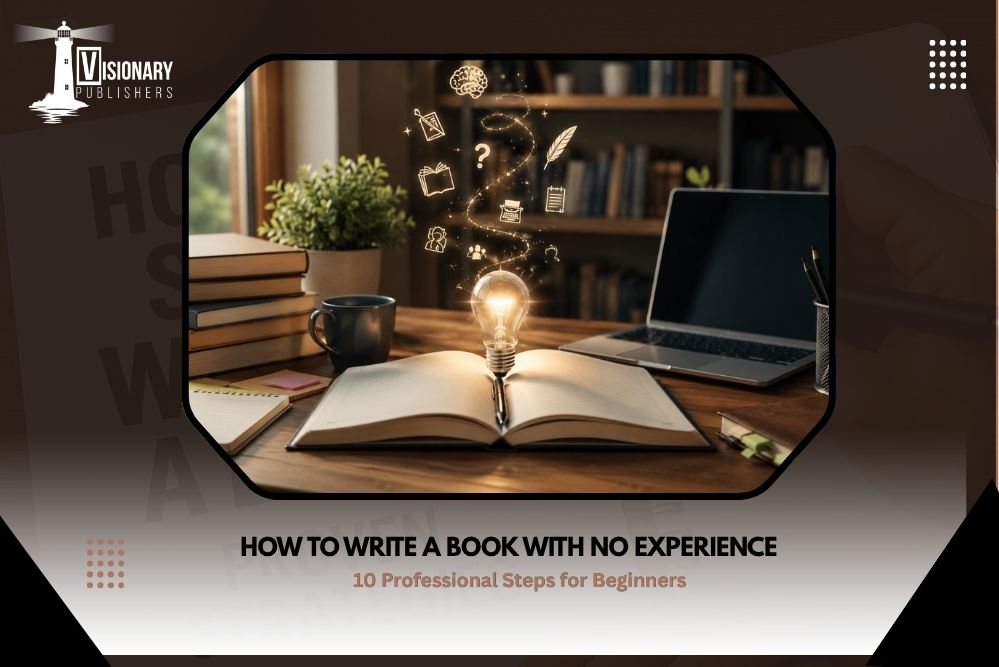
Have you ever dreamed of becoming an author but stopped yourself with one thought: “I have no experience”? You are not alone. Thousands of people want to write a book but never begin because they feel unqualified. The truth is simple. Every successful author once started exactly where you are now. Learning how to write a book with no experience is not about being perfect. It is about starting with an idea and building confidence one page at a time.
You do not need a writing degree. You do not need years of publishing knowledge. What you really need is a plan, patience, and the courage to keep going even when writing feels messy. This guide will walk you through 10 professional steps that make writing a book with no experience feel less overwhelming and far more possible.
How to Write a Book With No Experience and Actually Finish It
One of the biggest mistakes beginners make is thinking books appear magically. They do not. Every book starts with small steps, rough drafts, and unfinished ideas. When learning how to write a book with no experience, your first goal should not be perfection. Your goal should be progress.
Even famous authors started as beginners. Stephen King received multiple rejections before becoming successful. J.K. Rowling wrote parts of Harry Potter while struggling financially.
The important thing is this: they kept writing.
Step 1: Start With a Simple Book Idea
The first step in how to write your own book is choosing an idea you genuinely care about. Do not overcomplicate this stage. Your idea does not need to sound revolutionary. Many bestselling books begin with simple concepts.
For example:
- A child discovering magic
- A person rebuilding life after loss
- A mystery inside a small town
- A guide teaching personal growth
When choosing a topic to write a book, ask yourself:
- What excites me?
- What stories stay in my mind?
- What experience or lesson can I share?
Strong books often come from emotional connection, not complicated plots.
Step 2: Decide What Type of Book You Want to Write
Before you begin writing, decide what kind of book fits your idea best.
You might choose:
- Fiction
- Nonfiction
- Memoir
- Fantasy
- Romance
- Self-help
- Children’s books
This step matters because each genre follows different writing styles.
If you are exploring how to write a fiction book with no experience, focus on characters, conflict, and storytelling. If you are learning how to write a children’s book with no experience, focus on simple language, emotional lessons, and imagination. Books like Charlotte’s Web became timeless because they used emotional storytelling in a simple way.
Step 3: Learn How to Start Writing Without Fear
Many beginners delay writing because they fear writing badly. That fear stops more books than lack of talent ever will. The truth is, your first draft is supposed to be imperfect. When learning how to start writing, permit yourself to write messy sentences. You can improve them later. Think of writing like building a house. You cannot decorate rooms before the walls exist. One helpful trick is setting small daily goals:
- Write 300 words daily
- Write for 20 minutes
- Finish one scene at a time
Little progress creates momentum.
Step 4: Create a Basic Outline Before 111111111111111111111Writing
One of the smartest steps to writing a book is creating a simple outline before you begin drafting chapters. Many beginners skip this step because they feel excited to start immediately, but outlining actually saves a lot of time later. Your outline does not need to look perfect or complicated. Think of it as a roadmap for your story or ideas. It helps you stay organized and prevents you from getting stuck halfway through the book.
A simple fiction outline may include:
- Introduction of characters
- Main conflict
- Important turning points
- Emotional climax
- Ending
For nonfiction books, your outline might include:
- Main chapters
- Key lessons
- Examples and case studies
- Research points
If outlining feels difficult, you can also use AI writing tools to help generate ideas and structure. Many beginner writers now use tools like ChatGPT and Claude to brainstorm chapter ideas, create story structure, or organize nonfiction topics.
You can explore them here:
These tools should support your creativity, not replace it. They work best when you already have your own ideas and want help organizing them clearly. Creating an outline early makes how to write a book with no experience online feel much more manageable because you always know what comes next in your writing journey.
Step 5: Study Real Books and Learn From Them
One of the best ways to improve writing is to read books carefully. Do not just read for entertainment. Read like a writer.
Notice:
- How chapters begin
- How dialogue sounds
- How suspense builds
- How emotions are described
For example, The Hunger Games keeps readers engaged through fast pacing and emotional tension. Reading teaches structure naturally without making writing feel overwhelming.
Step 6: Learn How to Type a Book Professionally
Many beginners overthink formatting before writing. Do not let that stop you. When learning how to type a book, keep things simple:
- Use readable fonts
- Keep spacing clean
- Save work regularly
- Organize chapters clearly
Most beginners use:
- Google Docs
- Microsoft Word
- Scrivener
Google Docs is especially helpful for beginners because it automatically saves progress online. This makes how to write a book with no experience online much easier and less stressful.
Step 7: Focus on Finishing the First Draft
The hardest part of writing is not starting. It is finishing. Many new writers endlessly rewrite chapter one and never move forward. Your first draft should focus on completion, not perfection. This is one of the most important lessons in writing a book with no experience. You cannot edit a blank page. Even bestselling books begin as rough drafts filled with mistakes. So, if a chapter feels weak, keep moving. You can improve everything during editing later.
Step 8: Learn Basic Self-Editing Skills
Once your first draft is finished, editing becomes your next step. Editing helps improve:
- Clarity
- Grammar
- Pacing
- Dialogue
- Structure
One powerful editing trick is reading your work aloud. Awkward sentences become easier to notice when heard. You should also take short breaks before editing. Returning with fresh eyes helps you spot problems faster. Books like The Alchemist feel simple and powerful partly because of clean and focused writing.
Step 9: Ask Real Readers for Feedback
Many writers fear feedback, but outside opinions help books improve dramatically.
Ask trusted readers:
- Which parts felt boring?
- Which character felt strongest?
- Which scenes felt confusing?
Feedback helps you see blind spots you may miss alone. This is one of the smartest best ways to write a book professionally, even for beginners. Remember, feedback is not personal criticism. It is part of the writing process.
Step 10: Learn About Publishing Options
Once your manuscript feels ready, the next step is publishing. Today, beginners have more opportunities than ever before. You can choose:
- Traditional publishing
- Self-publishing
- Online publishing platforms
Amazon Kindle Direct Publishing is popular for first-time writers. This is why many people now search for how to write a book with no experience online, because publishing has become far more accessible than before.

Turn Your Ideas Into a Real Book With Visionary Publishers
At Visionary Publishers, we believe great stories can come from anyone, including first-time writers. Many people have amazing ideas but feel unsure where to begin. That is why our team helps beginners through every stage of the writing and publishing process. From book editing and formatting to cover design and publishing support, we help transform rough ideas into professional books that readers can enjoy. Whether you are exploring how to write a fiction book with no experience or planning your first children’s story, we guide you step by step. Writing a book may feel overwhelming at first, but with the right support, your story can become something real, meaningful, and publish-ready.
Final Thoughts
Learning how to write a book with no experience may feel intimidating at first, but every writer starts somewhere. The difference between people who dream about writing and people who finish books usually comes down to one thing: consistency. Your first draft will not be perfect. Some days, writing will feel exciting. Other days, it may feel frustrating, which is completely normal. The important thing is continuing forward even when doubt appears. Start small. Learn gradually. Improve through practice. The more you write, the stronger your confidence becomes. Most importantly, remember this: readers do not connect with perfect writers. They connect with honest stories, real emotions, and authentic voices. That means your story matters, even if you are just beginning your writing journey today.
Frequently Asked Questions
Can I write a book with no experience?
Absolutely. One of the biggest myths in publishing is that writers need professional experience before starting. That is not true. You learn to write by writing. Every experienced author was once a beginner, asking:
- Can I write a book with no experience?
- Can you write a book with no experience?
The answer is yes, but growth comes through consistency and practice.
How do I start writing a book for beginners?
Start with a simple idea, create a rough outline, and write small sections daily instead of trying to perfect everything immediately.
How long does it take to write a book with no experience?
It depends on the book length, writing schedule, and genre. Some beginners finish within months, while others take several years.
How to Write a Children’s Book With No Experience
Many beginners start with children’s books because they appear shorter. But writing for children still requires creativity and emotional clarity. When learning how to write a children’s book with no experience, focus on:
- Simple language
- Strong emotions
- Memorable characters
- Clear lessons
Books like Where the Wild Things Are became classics because they understood childhood emotions deeply. Children connect strongly with imagination and honesty.
How to Write a Fiction Book With No Experience
If fiction interests you, focus on storytelling basics first. When learning how to write a fiction book with no experience, remember that readers connect more with emotions than complicated plots. Strong fiction usually includes:
- Relatable characters
- Conflict
- Emotional stakes
- Character growth
Even simple stories become powerful when readers care about the people inside them.
What is the easiest type of book to write for beginners?
Many beginners start with memoirs, children’s books, or simple nonfiction because they often require simpler structure and language.
How can I improve my writing skills as a beginner?
Read regularly, write consistently, study storytelling techniques, and ask for feedback from trusted readers.