

Overview
The debate around AI vs human writing has become bigger than ever in 2026. AI writing tools can create blog posts, articles, emails, and even books within minutes. At the same time, human writers continue to produce stories, ideas, and emotions that connect deeply with readers. This raises an important question. Can AI truly replace human writers? The answer is not as simple as many people think!
AI can generate content quickly. Human writers bring experience, emotion, judgment, and originality. Both have strengths and weaknesses. Understanding those differences helps businesses, authors, students, and marketers make better decisions. In this guide, we will explore AI vs. human writing, compare their strengths, examine detection methods, and look at how writing continues to evolve in 2026.
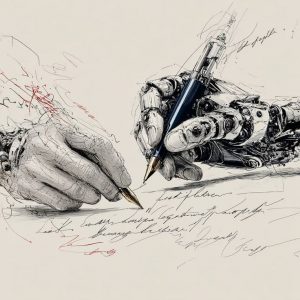
AI vs Human Writing: Understanding the Core Difference
The biggest difference between AI and human writing comes down to creation versus prediction.
Human writers create content from personal experiences, emotions, opinions, and observations. AI creates content by predicting what words should come next based on patterns learned from massive datasets.
Consider famous books such as The Alchemist by Paulo Coelho or To Kill a Mockingbird by Harper Lee. These books resonate because the authors infused their personal understanding of life into every page. AI can imitate that style. It cannot live those experiences. This distinction shapes every aspect of human writing vs AI writing.
Human writers bring:
- Emotional depth
- Personal experiences
- Creative risk-taking
- Cultural understanding
- Unique perspectives
AI writers provide:
- Speed
- Consistency
- Scalability
- Research assistance
- Content generation at volume
The future is not necessarily AI replacing writers. It is often AI supporting human creativity.
AI Writing vs Human Writing: Differences in Content Creation
When comparing AI writing vs. human writing, several factors stand out.
-
Creativity
Human writers often surprise readers. They create unexpected connections and fresh ideas. AI usually builds from patterns already found online. It can remix information but rarely invents something truly groundbreaking.
-
Emotional Connection
Readers connect with stories because they feel real. A memoir about overcoming hardship carries emotional weight because a real person lived through those moments. AI can describe emotions. Human writers can make readers feel them.
-
Context Awareness
Humans understand subtle cultural references, humor, irony, and social changes. AI sometimes struggles with context. It may generate technically correct content that feels disconnected from real-life situations.
-
Decision Making
Writers make judgment calls constantly. They decide what information matters, what examples fit, and what tone works best. AI follows patterns. Human writers make intentional choices. These are some of the most important differences between human and vs writing in modern publishing.

Human Writing Characteristics vs AI Writing
To better understand the debate, let’s examine the key characteristics of human writing vs. vs writing.
Characteristics of Human Writing
Human writing often includes:
- Personal stories
- Emotional nuance
- Imperfect but natural flow
- Unique voice
- Strong opinions
- Cultural awareness
Characteristics of AI Writing
AI-generated content often includes:
- Predictable structure
- Balanced tone
- Repetitive sentence patterns
- Generic examples
- High consistency
- Fast production
These human writing characteristics, compared with vs systems, create noticeable differences for experienced readers. Writers naturally vary their tone. They shift between short and long sentences. They sometimes break rules intentionally for effect. AI often follows safer patterns.
Perplexity and Burstiness in Human Writing vs AI
One of the most discussed topics regarding perplexity and burstiness in human writing vs. vs is sentence variation.
What Is Perplexity?
Perplexity measures how unpredictable the text appears. Human writing often contains unexpected word choices and unique phrasing. This creates higher perplexity. AI-generated content tends to be more predictable because it relies on probability patterns.
What Is Burstiness?
Burstiness refers to variation in sentence structure and length.
For example:
A human writer might write:
“The room fell silent. Nobody moved. Then chaos erupted.”
A few lines later:
“Within seconds, conversations collided, chairs scraped against the floor, and everyone rushed toward the door.”
Notice the variation.
AI often produces sentences with similar lengths and rhythms. This is why sentence length variation, human vs AI writing, remains one of the strongest indicators used by editors and detection tools.
Human vs AI Writing Style Differences
The most visible contrast appears in the differences between human and vs writing styles.
Human Writing Style
Human writing often includes:
- Storytelling
- Personality
- Humor
- Imperfections
- Emotional transitions
AI Writing Style
AI writing often features:
- Structured formatting
- Consistent tone
- Predictable flow
- Neutral language
- Formula-based organization
When conducting human vs. vs writing-style analysis, experts often look at these patterns. The challenge is that modern AI systems continue improving. The gap is becoming smaller each year. Still, experienced editors can often identify differences in authenticity and voice.
AI vs Human Writing Examples
The easiest way to understand AI vs. human writing examples is through comparison.
AI Example
“Success requires dedication, hard work, and persistence. People who stay focused on their goals are more likely to achieve positive outcomes.”
Human Example
“My first manuscript received twelve rejections. I nearly quit. Looking back, those rejection letters taught me more than any writing course.”
The first example sounds polished. The second one feels personal. Readers often remember the second example because it creates an emotional connection. This demonstrates why AI vs. human content writing remains an active discussion across the publishing industry.
AI Copywriting vs Human Writing in Marketing
The rise of AI has transformed book marketing. In the debate between AI copywriting vs human writing, businesses often use both.
Where AI Excels
- Product descriptions
- Email variations
- Social media captions
- SEO outlines
- Content scaling
Where Humans Excel
- Brand storytelling
- Emotional campaigns
- Thought leadership
- Creative concepts
- Customer trust-building
A brand can generate hundreds of headlines using AI. However, the campaign idea that defines a company usually comes from human creativity. This explains why many organizations combine AI tools with professional writers.
AI Writing Tools vs Human Editors
The conversation around AI writing tools vs human editors is especially relevant in publishing.
AI can:
- Detect grammar issues
- Suggest improvements
- Rewrite sentences
- Generate content drafts
Human editors can:
- Strengthen narrative flow
- Improve emotional impact
- Refine voice
- Ensure factual accuracy
- Understand audience expectations
An editor does much more than fix mistakes. They shape content into something readers genuinely enjoy. This remains a major advantage of human expertise.
Human Writing Patterns vs AI
Researchers studying human writing patterns vs AI have identified several recurring differences.
Human Writing Features
- Irregular sentence lengths
- Personal anecdotes
- Strong opinions
- Emotional language
- Unexpected transitions
AI Writing Features
- Uniform structure
- Repeated phrasing
- Balanced wording
- Predictable organization
- Reduced spontaneity
These human vs AI writing features continue to play an important role in detection systems. Understanding these patterns helps explain the human vs. writing-style features used in modern analysis.
AI vs Human Writing Detection Methods
As AI-generated content becomes more advanced, detection becomes more challenging. Many organizations now use AI vs. human writing detection methods to evaluate content. Common techniques include:
Pattern Analysis
Systems look for repetitive sentence structures and predictable language.
Probability Scoring
Algorithms estimate how likely text is to be AI-generated.
Linguistic Examination
Experts study syntax, vocabulary, and writing flow.
Behavioral Evidence
Some organizations review drafting history and revision records.
These human vs. writing detection methods continue to evolve as AI improves.
How to Detect AI vs Human Writing
Many people ask, ” How to detect AI vs. human writing effectively. Here are several indicators:
Repetition
AI sometimes repeats ideas using different wording.
Generic Statements
AI often produces broad observations without personal experience.
Lack of Specific Detail
Human writers frequently include memories, examples, and observations.
Uniform Structure
AI-generated content may maintain the same rhythm throughout an article. These indicators help answer questions such as:
- How to tell if something is written by AI
- How to tell if writing is ai generated
- how to tell AI vs. human writing
- how to detect AI-generated text vs human writing
However, no method is perfect.
AI vs Human Writing Style Detection and Its Limitations
Many businesses rely on AI-based vs. human-writing-style detection tools. Yet these tools have limitations.
-
False Positives
Human-written content sometimes gets flagged as AI-generated.
-
False Negatives
Advanced AI content may avoid detection.
-
Editing Challenges
Once a human edits AI-generated content, detection becomes harder.
These issues highlight the growing challenge of detecting AI vs. human writing. Detection technology continues to evolve, but achieving complete accuracy remains difficult.
Human Writing Characteristics vs AI in Academic Writing
The discussion about the characteristics of human vs. vs academic writing has become important in education.
Human academic writing often includes:
- Original analysis
- Independent thinking
- Critical evaluation
- Unique interpretations
AI academic writing often focuses on:
- Summarization
- Information synthesis
- Structured formatting
- Pattern-based responses
Universities increasingly emphasize critical thinking because it remains one of the strongest human advantages. These distinctions also reflect broader characteristics of human vs. AI-generated writing.

Human vs AI Writing Test: Can Readers Still Tell the Difference?
Several organizations have conducted human vs. AI writing tests. Results vary. Some readers correctly identify AI-generated content. Others struggle, especially when AI receives strong prompts. Yet readers often favor human writing when emotional connection matters. Why? Because authenticity matters. People connect with stories, struggles, failures, and victories. Those experiences remain difficult for AI to replicate fully. This reality influences many human vs AI writing markers used by editors and publishers.
How to Make Writing Sound Human, Authentic vs AI
Writers often ask how to make writing sound human and authentic vs. vs. The answer involves adding genuine human elements.
-
Share Real Experiences
Personal stories increase authenticity.
-
Use Specific Examples
Specific details create credibility.
-
Vary Sentence Length
Natural variation improves readability.
-
Show Personality
Readers enjoy distinctive voices.
-
Avoid Generic Statements
Replace broad claims with meaningful insights.
These techniques help create stronger content regardless of whether AI assists the writing process.
How to Write a Book with No Experience PDF: Can AI Help?
Many aspiring authors search for PDF resources on how to write a book with no experience. AI can certainly help new writers get started.
It can assist with:
- Brainstorming ideas
- Creating outlines
- Developing character profiles
- Organizing chapters
However, successful books still require human judgment. Consider bestselling books like Atomic Habits by James Clear or The 7 Habits of Highly Effective People by Stephen Covey. Their impact comes from personal insights and lived experience. AI can support the process. Human creativity drives the final result. For first-time authors, professional guidance and experienced editors remain valuable resources throughout the publishing journey.
Features of AI-Generated Text vs Human Writing
Understanding the features of AI-generated text vs. human writing helps explain modern content creation.
AI Features
- Fast generation
- High scalability
- Consistency
- Pattern recognition
Human Features
- Creativity
- Authenticity
- Empathy
- Original thought
These distinctions define many AI vs. human writing features and continue to shape content strategies across industries.
Visionary Publishers Has Expert Writers Ready to Bring Your Story to Life
Writing a book can feel overwhelming, especially if you are starting with just an idea. At Visionary Publishers, our experienced writers help transform your thoughts, experiences, and concepts into a professionally written manuscript. Whether you need guidance, research, or complete book writing support, our team works closely with you to create a book that reflects your vision and connects with readers.
To Sum Up
The debate over AI vs. human writing is not about choosing one side forever. It is about understanding where each performs best. AI delivers speed, efficiency, and scalability. Human writers bring creativity, emotion, perspective, and authenticity. Businesses, publishers, and authors increasingly use both together rather than viewing them as competitors. As technology advances, the line between AI-generated and human-created content will continue to blur. Yet readers will always value stories that feel genuine and meaningful. That is why, even in 2026, the conversation around AI vs. human writing remains more relevant than ever.
Frequently Asked Questions
What is the main difference between AI writing and human writing?
AI generates content using learned patterns and probabilities. Human writers create content using personal experiences, emotions, creativity, and judgment.
Is AI-generated content better than human-written content?
Not necessarily. AI excels at speed and efficiency, while human writing provides authenticity, emotional depth, and originality. The best results often combine both.
Can search engines detect AI-written content?
Search engines focus more on content quality than authorship. Helpful, accurate, and valuable content performs better regardless of whether AI assisted the writing process.
Why do businesses use AI for content creation?
Businesses use AI to generate content faster, reduce workload, create multiple content variations, and improve efficiency across marketing channels.
What are the biggest advantages of human writing?
Human writing offers emotional connection, creativity, storytelling ability, critical thinking, originality, and authentic communication that resonates deeply with readers.

1 thought on “AI vs Human Writing: The Ultimate Difference for 2026”
Pingback: What Is Tone in Writing? 50 Types and Examples