
Starting
Imagine walking into a bustling marketplace. Vendors shout out their best deals, trying to catch your attention. Some offer free samples or small gifts to persuade you to stop and look. In the world of marketing, a lead magnet works in much the same way. It’s a clever tool that attracts potential customers or, in the case of authors, readers, by offering something valuable for free. But what exactly is a lead magnet? And why is it such an important part of marketing today? Whether you’re an author trying to grow your email list or a business owner looking to generate more leads, understanding what is a lead magnet and how to use it can transform your marketing efforts.
This article will explore what is a lead magnet, how it works across different industries, especially in book marketing and email marketing, and why every author should incorporate it into their strategy. We’ll also look at how to create effective lead magnets and answer common questions about them.
What Is a Lead Magnet in Marketing?
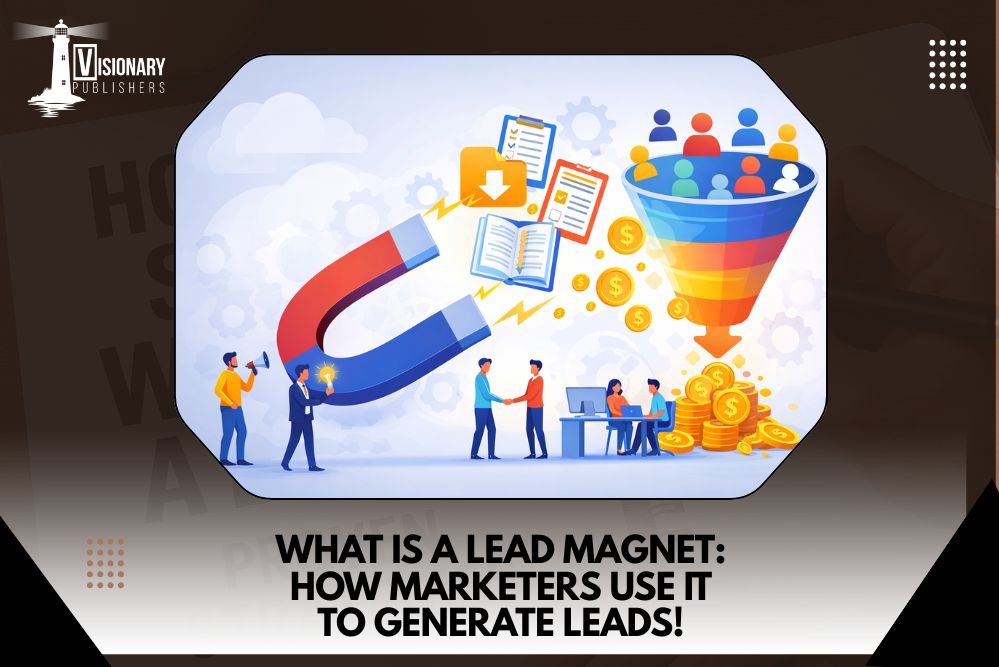
So, what is a lead magnet in marketing? Simply put, it’s a free resource or offer that you give to your target audience to encourage them to share their contact information—usually an email address. The exchange is straightforward: they get something valuable, and you gain a new lead or potential customer.
What is a lead magnet? Think of it as a tempting gift something that your ideal audience finds irresistible enough to trade their contact details. The goal? To build a list of interested people who can be nurtured over time and eventually converted into paying customers or loyal readers.
Marketers use lead magnets to:
- Grow their email list
- Establish trust and authority
- Drive traffic to their websites or social media
- Increase engagement and conversions
The concept is rooted in the principle of inbound marketing—drawing people in with value rather than pushing advertisements at them.
Why Are Lead Magnets Crucial for Authors?
For authors, especially those who want to sell more books or build a dedicated audience, a lead magnet can be a game-changer. It’s often the first step in creating a relationship with potential readers.
Imagine offering a free sample chapter of your newest book or a downloadable guide related to your genre. These are classic what is a lead magnet in book marketing examples. They serve as an incentive for readers to sign up for your mailing list, giving you a direct line of communication.
Benefits of Using Lead Magnets for Authors:
- Build a loyal email list: Your list becomes a community of engaged readers who are interested in your work.
- Increase book sales: When readers are already engaged, they’re more likely to buy your books.
- Gather feedback: You can learn what your book readers want and tailor your future projects.
- Promote future releases: Use your list to announce new books, events, or promotions.
- Establish authority: Offering valuable content positions you as an expert in your book genre or niche.
In short, what is a lead magnet in marketing for authors is an essential tool to connect with your audience beyond just publishing books. It helps turn casual readers into dedicated fans.
Types of Lead Magnets for Different Goals
Lead magnets aren’t one-size-fits-all. There are many types tailored to different goals and audiences. Let’s explore some of the most effective types for authors and marketers alike.
-
Ebooks and Guides (what is a lead magnet ebook)
An ebook or guide is a popular lead magnet. It offers in-depth information on a specific topic. For authors, this could be a behind-the-scenes look at your book writing process, a guide to understanding your genre, or tips on how to write a novel.
Example: A romance novelist might offer a free ebook titled “10 Secrets to Writing a Romantic Novel.”
-
Book Summaries and Synopses (how to write a book summary)
Offering a concise, engaging summary of your book or a related topic can pique curiosity. A compelling summary acts as a teaser, encouraging readers to buy the full version.
Example: Offering a free “summary” of your upcoming novel to generate buzz.
-
Checklists and Templates
Checklists help your audience accomplish a task more easily. Templates provide a starting point. Both save time and make life easier.
Example: A “Self-Publishing Checklist” or a “Book Marketing Plan Template.”
-
Free Chapters or Excerpts (what is a lead magnet in book marketing)
Sharing the first chapter of your book or an excerpt is an effective way to hook potential readers. It gives a taste of your writing style and story.
-
Webinars and Video Content
Videos or live webinars can be very engaging. You could host a session on writing tips, marketing your book, or sharing your inspiration story.
-
Email Courses
A series of emails spread over days or weeks that deliver valuable lessons or insights. For authors, this could be a “7-Day Writing Challenge” or a series on building an author platform.

How to Create an Effective Lead Magnet
Creating a lead magnet is not just about giving something away for free. It needs to be strategic, relevant, and designed to attract your ideal audience. A well-crafted lead magnet can build trust, grow your email list, and ultimately help your book or brand reach more readers. Here’s a step-by-step approach to make it effective:
-
Identify Your Audience
Before creating your lead magnet, know who you are targeting. Who are your readers or potential customers? What challenges do they face, and what solutions are they seeking? The more specific you are about your audience, the more appealing your lead magnet will be. For example, fiction writers might target aspiring authors struggling with character development, while nonfiction authors might target readers seeking practical guides.
-
Offer Immediate Value
Your lead magnet should solve a specific problem quickly. People are more likely to give their email in exchange for a solution that helps them right away. This could be a cheat sheet, a mini eBook, or actionable tips. Quick wins make your audience feel that engaging with your content is worth their time.
-
Make It Easy to Consume
Keep your lead magnet short, clear, and actionable. Long, complex downloads can overwhelm readers. Use headings, bullet points, and visuals to make it easy to scan. The easier it is to digest, the more your audience will appreciate and share it.
-
Use a Clear Call-to-Action
A lead magnet should always come with a specific next step. Whether it’s signing up for your newsletter, downloading a free sample chapter, or joining a private community, guide your audience clearly. Don’t leave them guessing about what to do next.
-
Deliver Professionally
Presentation matters. Use clean formatting, high-quality visuals, and polished writing. A professional-looking lead magnet creates trust and establishes you as an expert in your field. Poor design or sloppy formatting can harm your credibility, even if the content is great.
Remember: The stronger your lead magnet, the more likely readers will trust your brand, engage with your content, and eventually buy your book.
Bonus Tips for Authors Using Lead Magnets
Here are extra tips to make your lead magnet more engaging and effective:
- Solve one clear problem: Avoid trying to cover too much. Focus on a single pain point your audience cares about.
- Keep it concise: Readers want solutions fast. Shorter, actionable content works better than lengthy downloads.
- Make it visually appealing: Add headings, bullet points, tables, or graphics to make the content easy to read and visually inviting.
- Test different formats: Experiment with PDFs, videos, mini eBooks, or interactive worksheets to see what your audience prefers.
- Follow up consistently: Your lead magnet is just the first step. Send follow-up emails to nurture relationships, offer more resources, and convert readers into loyal fans.
These practices ensure your lead magnet doesn’t just collect emails it builds meaningful engagement.
Examples of Lead Magnets for Authors
Here are some practical examples of lead magnets authors can use to grow their audience and promote books:
- 3-Chapter Sneak Peek: Offer the first few chapters of your upcoming novel. This gives readers a taste and encourages them to buy the full book.
- Worksheet on Character Development: Help fiction writers develop memorable characters with actionable exercises.
- Mini Guide to Self-Publishing: Share insider tips for aspiring authors navigating the publishing process.
- Exclusive Writing Productivity Tips: Deliver practical tips in PDF form to help writers improve their daily writing habits.
- Summary of Your Bestselling Book: Offer a condensed version to entice readers and showcase your expertise.
These examples show how lead magnets can be flexible and tailored to your niche, whether it’s fiction, nonfiction, or book marketing. By giving value upfront, you create trust and anticipation that can drive book sales and audience loyalty.
Examples of Lead Magnets for Authors
Here are some practical examples of lead magnets authors can use to grow their audience and promote books:
- 3-Chapter Sneak Peek: Offer the first few chapters of your upcoming novel. This gives readers a taste and encourages them to buy the full book.
- Worksheet on Character Development: Help fiction writers develop memorable characters with actionable exercises.
- Mini Guide to Self-Publishing: Share insider tips for aspiring authors navigating the publishing process.
- Exclusive Writing Productivity Tips: Deliver practical tips in PDF form to help writers improve their daily writing habits.
- Summary of Your Bestselling Book: Offer a condensed version to entice readers and showcase your expertise.
These examples show how lead magnets can be flexible and tailored to your niche, whether it’s fiction, nonfiction, or book marketing. By giving value upfront, you create trust and anticipation that can drive book sales and audience loyalty.
Visionary Publishers: Your Marketing Partner for Effective Lead Magnets
At Visionary Publishers, we help authors turn lead magnets into powerful marketing tools. A well-designed lead magnet doesn’t just attract emails—it builds trust, grows your audience, and drives book sales. Whether it’s a free eBook, a sample chapter, a checklist, or a mini guide, we ensure every lead magnet is strategically designed to engage your target readers. Our team goes beyond creation. We help authors plan marketing campaigns, craft email sequences, and promote lead magnets across platforms. This ensures your free content converts readers into loyal fans and potential buyers. Every step is designed to boost visibility and strengthen your author brand. By combining expert content creation with smart marketing strategies, Visionary Publishers makes lead magnets work harder for you. Authors can focus on writing while we handle the strategy, book cover design, and promotion. The result is a lead magnet that not only attracts attention but also drives measurable results for your book and your career.
Ready To Attract More Leads?
We hope this guide helps you understand what a lead magnet is and how it can transform your marketing efforts. From email campaigns to book promotion, lead magnets give you a way to connect with readers, build trust, and generate leads. For authors, using lead magnets like sample chapters, mini eBooks, or worksheets can grow your audience and make your book launch more successful. When done right, a lead magnet is not just a free resource—it’s a bridge to long-term engagement and loyal readers.
FAQs About Lead Magnets
Q1: What is a lead magnet example?
A lead magnet example can be a free eBook, worksheet, checklist, webinar, or sample book chapter.
Q2: What makes a great lead magnet?
It solves a specific problem, is easy to consume, and provides immediate value to your audience.
Q3: What are the three key characteristics of an effective lead magnet?
It is valuable, relevant to the audience, and easy to access or download.
Q4: What is the 3 3 3 rule in marketing?
It refers to delivering a lead magnet that provides value in 3 minutes, 3 steps, or 3 pages—quick and actionable content.
Q5: How do you create a lead magnet?
Identify your audience, choose a format (eBook, checklist, webinar), create high-value content, and promote it with a clear call-to-action.