Overview
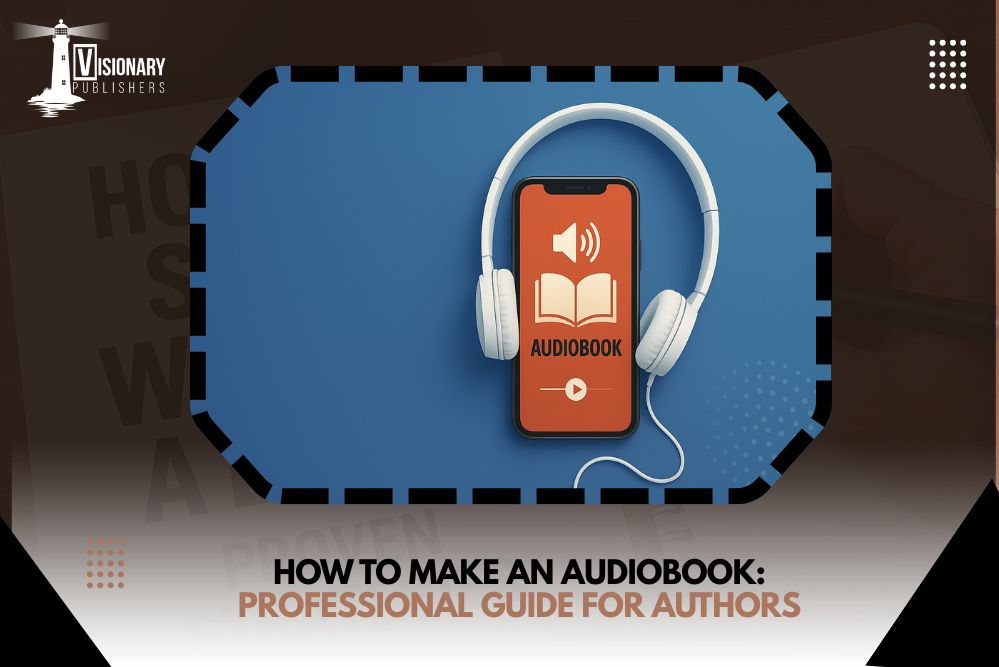
Creating an audiobook is an exciting way to reach new readers and expand your book’s audience. Audiobooks have surged in popularity because they allow people to enjoy books while commuting, exercising, or multitasking. If you’ve ever wondered how to make an audiobook, this guide will walk you through the entire process—from planning, recording, editing, to publishing. Whether you’re a first-time author, an indie publisher, or curious about using AI, we’ll provide practical tips and tools to create a professional audiobook. With the right approach, your story can come to life in audio, engaging listeners in ways that print alone cannot.
Who Can Make an Audiobook
Anyone with a book and the desire to share it in audio form can create an audiobook. Traditionally, authors hire professional narrators and sound engineers to produce high-quality recordings. However, with accessible tools and software, indie authors and self-publishers can also make audiobooks at home.
If you’re comfortable with your voice and have basic recording equipment, you can record yourself. For authors who prefer a professional touch, hiring narrators or using AI-generated voice technology is an option. Publishers, bloggers, educators, and businesses producing content like guides or manuals can also benefit from creating audiobooks.
Ultimately, anyone motivated to reach audiences through audio can create an audiobook—whether for profit, marketing, or sharing personal stories. By following proper steps and maintaining quality, you can produce an audiobook that sounds professional, engages listeners, and complements your print or digital editions.
10 Easy Steps to Make an Audiobook Like A Pro
Creating an audiobook is a rewarding way to extend your book’s reach and connect with audiences in a dynamic format. Whether you’re a fiction author, nonfiction writer, or an indie publisher, producing a professional-quality audiobook requires careful planning, preparation, and execution. Each step ensures your final product is polished, clear, and enjoyable for listeners. Below, we provide a detailed, step-by-step guide on how to make an audiobook, including expert tips and insights for every phase.
1. Prepare Your Manuscript
The first step in creating an audiobook is preparing your manuscript. Even if your book has already been published in print or digital format, reviewing it specifically for audio is essential. Reading aloud highlights awkward phrasing, complex sentences, or punctuation that may confuse listeners. For example, a sentence that works on paper may sound unnatural when spoken.
Decide if your audiobook will include footnotes, appendices, or additional content not in the original book. Nonfiction authors often add clarifications or pronunciation guides for technical terms, while fiction writers might include character lists or brief summaries at the beginning of chapters. Preparing your manuscript thoroughly ensures the recording process is smooth and prevents errors later.
2. Choose Your Narration Style
Narration is the heart of an audiobook. The style you choose will define the listener’s experience. You have three main options:
Self-narration: If you feel confident in your voice, narrating your own book can provide authenticity. First-person books, such as memoirs or personal stories, often benefit from the author’s personal touch.
Professional narrators: Hiring a professional voice actor ensures high-quality narration, even for authors unfamiliar with voice techniques. A skilled narrator can bring characters, emotions, and pacing to life, making the audiobook more engaging.
AI-generated voices: Artificial intelligence voice software is becoming increasingly popular. While it saves time and cost, careful editing is required to ensure natural intonation and avoid robotic-sounding speech.
Deciding on the narration style early influences equipment needs, budget, and production timeline.
3. Set Up Your Recording Space
A quiet recording environment is essential for clear, professional audio. Ambient noise, such as fans, air conditioners, or street sounds, can compromise audio quality. If you don’t have access to a professional studio, create a home recording space with basic soundproofing.
Use blankets, curtains, or foam panels to absorb echo and minimize background noise. Recording in a small room with soft furnishings can also reduce reverberation. Test the space by recording a short sample and listening for distortions or background sounds. This step saves countless hours of cleanup during editing.
4. Get the Right Equipment
Even a simple setup can produce professional audio if chosen wisely. At a minimum, you’ll need a quality microphone, headphones, and a pop filter. USB microphones are affordable and easy to use, while XLR microphones paired with an audio interface provide higher-quality sound for serious projects.
Headphones allow you to monitor audio in real time, catching pops, clicks, or inconsistencies as you record. Pop filters reduce plosive sounds like “p” and “b” that can be harsh on the microphone. Recording software, such as Audacity, GarageBand, or Adobe Audition, is essential for capturing and editing your audiobook files efficiently.
5. Record Your Audio
Recording is arguably the most important step in audiobook production. Speak clearly, maintain a steady pace, and emphasize natural intonation. Avoid rushing, as fast speech can confuse listeners. If your book contains dialogue, differentiate characters using subtle changes in tone or pacing, but avoid exaggerated voices that may sound unnatural.
Record in short segments, typically chapter by chapter, to make editing easier. Take breaks to prevent vocal fatigue, especially during long recording sessions. Multiple takes are normal, and repeating difficult sections ensures you capture the best performance.
6. Edit Your Recording
Editing transforms raw recordings into a polished audiobook. Remove mistakes, long pauses, mouth noises, and background sounds. Adjust volume levels to maintain consistency throughout the audiobook.
Professional audiobooks often include subtle effects, such as introductory music, chapter cues, or ambient sounds, but use them sparingly. Overproduction can distract from the narration. Editing requires patience, as even small errors can disrupt the listening experience. This phase is critical to achieving a professional, listener-friendly final product.
7. Format the Audiobook
After editing, format the audiobook according to industry standards. Save files in common audio formats like MP3 or WAV. Consider splitting the book into chapters or sections to make it easier for listeners to navigate.
Include metadata such as book title, author name, and ISBN. Correct metadata ensures proper cataloging on platforms like Audible or Apple Books. Proper formatting also improves compatibility across devices, allowing listeners to enjoy your audiobook seamlessly on smartphones, tablets, or computers.
8. Test and Prooflisten
Before publishing, listen to the audiobook as a listener would. Prooflisten carefully for mispronunciations, pacing issues, or inconsistent volume levels. Ask friends, beta listeners, or professional proofers to provide feedback—they may catch mistakes you overlooked.
Prooflistening ensures your audiobook is enjoyable from start to finish. A single overlooked error can distract listeners and affect reviews. Taking time to prooflisten guarantees that your final product maintains professionalism and listener satisfaction.
9. Choose a Distribution Platform
Deciding where to distribute your audiobook is crucial for reaching the right audience. Popular platforms include Audible, Apple Books, Google Play, and Kobo. Each platform has specific formatting, submission, and royalty requirements.
Research your options to choose the best fit for your target audience. Some platforms allow exclusive distribution, while others enable wide release across multiple marketplaces. A strategic approach ensures maximum visibility and revenue potential for your audiobook.
10. Publish and Promote
Publishing is the final step. Upload your audiobook, write compelling descriptions, and choose pricing that reflects market trends. Include keywords and summaries that attract listeners and improve discoverability.
Promotion is equally important. Leverage social media, email newsletters, and author websites to announce your audiobook launch. Offer sample chapters or bonus content to entice potential listeners. Marketing your audiobook increases sales, strengthens your author brand, and ensures your work reaches the widest audience possible.
Examples of Popular Audiobooks
Audiobooks have become mainstream, with many bestsellers available in audio format. Becoming by Michelle Obama offers an intimate, first-person narration that connects listeners to her personal journey. Harry Potter audiobooks, narrated by Jim Dale or Stephen Fry, bring magical worlds to life through vivid performance. Nonfiction works like Atomic Habits by James Clear demonstrate how narration can enhance learning and retention.
These examples show that audiobooks can enhance storytelling, whether for fiction, memoir, or educational content. Professional narration and thoughtful production elevate the listener’s experience, making audiobooks a powerful extension of your book.
Extra Expert Tips to Make an Audiobook
- Practice Your Voice: Warm up before recording and maintain a consistent tone.
- Stay Hydrated: A Dry throat can cause pops and clicks in recordings.
- Break It Into Sections: Recording by chapter reduces errors and makes editing easier.
- Maintain Consistency: Keep pacing, pronunciation, and style uniform across all chapters.
- Use Professional Tools: Even small investments in microphones or software improve audio quality.
- Prooflisten Multiple Times: Catch errors, mispronunciations, and awkward pauses.
- Consider AI Assistance: AI voice generation can save time, but requires careful editing for naturalness.
By implementing these tips, your audiobook will sound professional, polished, and engaging to your audience.
Say Goodbye to All Stress – Let Visionary Publishers Create an Audiobook!
Creating an audiobook can feel overwhelming, but we at Visionary Publishers make it stress-free. We guide you through every step, from narration and recording to editing and distribution. Whether you want to record an audiobook yourself or hire professionals, our team ensures a polished final product. We offer audiobook production services, including voice coaching, AI-assisted narration, sound editing, and formatting. We also help you distribute your audiobook to platforms like Audible, Apple Books, and Google Play. With our expertise, your book reaches audiences in audio format without technical hurdles. You can now focus on storytelling while we handle the technical and production aspects. By partnering with us, you get a professional audiobook that sounds great, engages listeners, and elevates your book’s reach.
CLICK TO CREATE YOUR AUDIOBOOK
Bring Your Book to Life with an Audiobook
Turning your book into an audiobook is such an exciting adventure. From preparing your manuscript to recording, book editing, and publishing, each step is a chance to make your story shine in a whole new way. Imagine your words reaching listeners during their morning commute, cozy evenings, or long walks. Whether you narrate yourself, hire a professional, or explore AI tools, the key is to make your audiobook fun, engaging, and easy to listen to. Working with us, Visionary Publishers makes the process smooth and enjoyable, helping you create a professional audiobook that listeners will truly love. Your story deserves to be heard and enjoyed by everyone.
Frequently Asked Questions
Can ChatGPT create audiobooks?
Yes, AI tools like ChatGPT can generate narration scripts, but you’ll need text-to-speech software to produce audio files.
Is it worth creating an audiobook?
Absolutely. Audiobooks expand your audience and can increase revenue while making your content more accessible.
Do I keep my Audible books forever?
Yes, once purchased, your audiobooks remain in your Audible library for lifetime access.
Why are audiobooks so expensive?
Costs include narration, editing, production, and royalties, which contribute to the higher price.
What should I price my audiobook?
Pricing depends on length, genre, and market standards. Research competitors and consider discounts or promotions.